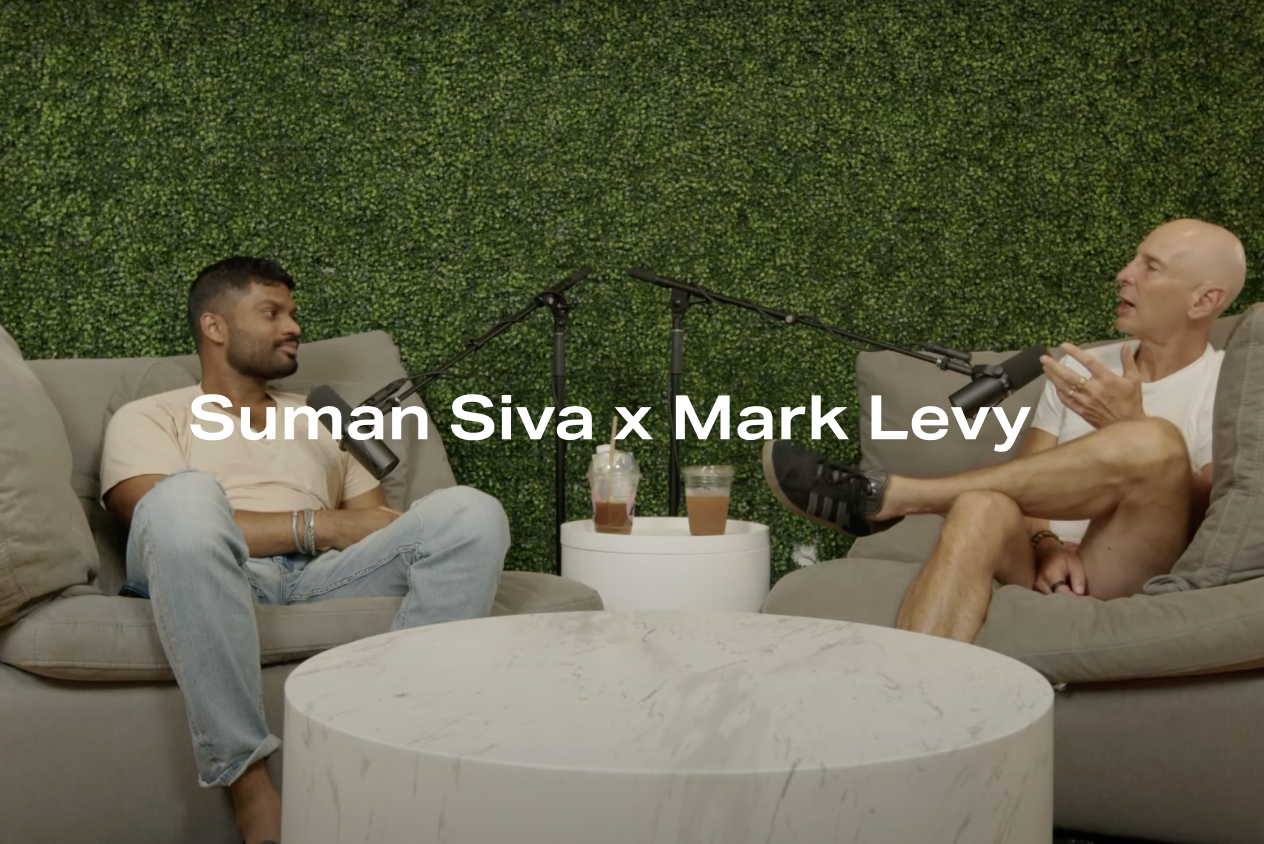
With an increasingly distributed workforce, building a strong company culture has never been more complex — or more important. In 2026, leaders have to create intentional experiences for employees, elevate internal communications, and articulate values through team habits and rituals. Where should you even start?
To answer that question, Marco sat down with Mark Levy, a pioneering Head of Employee Experience at Airbnb and Allbirds. As Mark likes to say, his job at Airbnb was simple: "Just don't f*** up the culture." Not only did he nail the assignment — he completely transformed traditional HR into a critical employee experience function.
Why Airbnb's Culture Strategy Still Matters in 2026
As one of Marco's advisors, Mark shared the playbook that made Airbnb one of the top-rated workplaces in the world during his tenure. With Gallup reporting that only 23% of employees worldwide are engaged — costing an estimated $8.8 trillion in lost productivity — Airbnb's approach to culture-building is more relevant than ever.
"All you see is an amazing product. You don't actually see how intentional the efforts were to create the culture, attract the people, and build the company that built the end result. We always focused on the points where employees meet customers — and you should as well."
Airbnb's 3-Step Playbook for Building a Culture of Connection
At Marco, we've always admired Airbnb from a people and values lens. Notably, during Mark's tenure, the company was named as one of the top places to work. Turning your company into a community is all about setting a clear direction and guiding principle. As Mark shares, "At Airbnb, we had only four values, but we made them a core part of our team identity."
This may sound easier said than done, but he reveals it comes down to three steps:
Step 1: Name Your Company's Vision Early On
Building a culture of connection starts long before you hire your first employee. For Airbnb, it began with a founders' meeting that asked two questions:
- What kind of company do we want to build?
- How do we grow into this company?
Once you answer these, you'll have the foundation of your business: your North Star as well as your brand pillars. These will steer you in the right direction as you scale.
Step 2: Build Your Team with Intention
In addition to working for the right reasons, Mark highlights the importance of hiring the right people: "You need your employees to advance your mission — not the other way around."
Airbnb relied on a team of "core value interviewers" to ensure team-culture fits. Mark describes their role:
"These recruiters don't even know the job description they're interviewing for. They're simply looking for a signal that you live and work in the essence of our values."
Step 3: Translate Your Values into Behaviors
A common problem for founders is codifying their values into everyday activities. To tackle this, the team at Airbnb always pauses to check if business decisions align with their North Star. They ask questions like:
- Will this business partnership get us to where we want to be?
- Is this organizational shift really benefiting our employees?
- How is this acquisition going to further our mission?
To ensure they're on the right track — both professionally and as a community — they formed a "core values council" that evaluated whether decisions aligned with their values.
"To build a culture that lasts, you need to democratize your values and then ensure your decisions align with them as you scale. You've got to make it a part of who you are."
2 Ways to Elevate Employee Experience Beyond Traditional HR
The shift from traditional HR to an Employee Experience team at Airbnb was driven by one core principle: Give your employees the same attention you give your customers. In Mark's words:
"There's a strong connection between customer satisfaction and delivering on what you promised that customer as a business. The same should go for how you treat your employees."
To flip the standard HR function on its head, Mark's team took two steps:
1. Curate Company Culture Across Every Team
On top of typical HR responsibilities, the Employee Experience team included "Ground Control" — a group of culture curators from every department who focused on events, employee celebrations, and internal comms. This distributed model ensured culture wasn't just an HR initiative but a company-wide effort.
2. Bring Employees In to Co-Create the Culture
To bridge the gap between employees and the C-suite, Mark broke common workplace stereotypes — like execs setting rules without input. He began bringing all team members together to voice opinions on critical company issues.
"We hired a 'Head of Belonging' long before the role of 'Head of DEI' came to be. This was the most special thing about us: We were always doing our best to change the way employees exist within the company."
How to Apply Airbnb's Strategy to Your Team
You don't need Airbnb's budget to build a culture of connection. The principles are universal — and the most impactful tool most companies underutilize is bringing their people together in person. Regular offsites and retreats give distributed teams the shared experiences that values alone can't create.
Marco has helped companies from 10-person startups to Fortune 500 enterprises build culture through intentional team gatherings. Whether it's a quarterly team sync or an annual all-hands retreat, the investment in connection pays dividends in engagement, retention, and performance.
Ready to invest in your team's culture in 2026? Take our retreat quiz to get started, or reach out to our team for a custom offsite proposal.
Frequently Asked Questions
What is an Employee Experience team and how is it different from HR?
An Employee Experience team broadens the traditional HR function to encompass every touchpoint an employee has with the company — from onboarding and daily work environment to team events and offboarding. At Airbnb, this included "Ground Control" (culture curators), a Head of Belonging, and employee-driven feedback loops that went far beyond annual reviews.
How can small companies apply Airbnb's culture strategy?
Start with the foundations: define your values early, hire for culture fit (not just skills), and create regular rituals where the team connects as humans. You don't need a dedicated Employee Experience team — even a quarterly offsite or monthly team dinner can embed the intentionality that Airbnb scaled across thousands of employees.
How do offsites and retreats help build company culture?
Offsites create shared experiences that strengthen trust, alignment, and genuine connection between teammates. Research consistently shows that in-person interaction builds social capital faster than virtual communication. Companies that invest in regular team gatherings report higher engagement scores, better retention, and stronger cross-functional collaboration.
What are core value interviewers and should my company use them?
Core value interviewers are people trained to evaluate whether candidates align with your company's values — independent of the role they're interviewing for. At Airbnb, these interviewers didn't even see the job description. Any company serious about culture can implement a version of this by adding a values-focused interview round to their hiring process.